Have you ever wondered what the different types of pilgrimages in Islam are and their importance? Did you know that Hajj, one of the five pillars of Islam, has been practiced since the 9th year of the lunar calendar?
This article will help you understand the types of pilgrimages in Islam and decipher the rites, preparations, spiritual benefits, and precautions to take.
Prepare to dive into an enriching spiritual journey that brings you closer to Allah.
The Different Types of Pilgrimages in Islam
In Islam, there are several types of pilgrimages, namely the Hajj, Umrah, the pilgrimage to al-Aqsa and local pilgrimages.
The Hajj
The Hajj, one of the pillars of Islam, is a Each stage of the Hajj is a mark of devotion and offers pilgrims an opportunity for spiritual purification. Truly sacred, this experience is considered transformative for a Muslim's faith.
Indeed, at every moment of the Hajj, the faithful are reminded of the importance of their commitment to their Creator.
Umrah
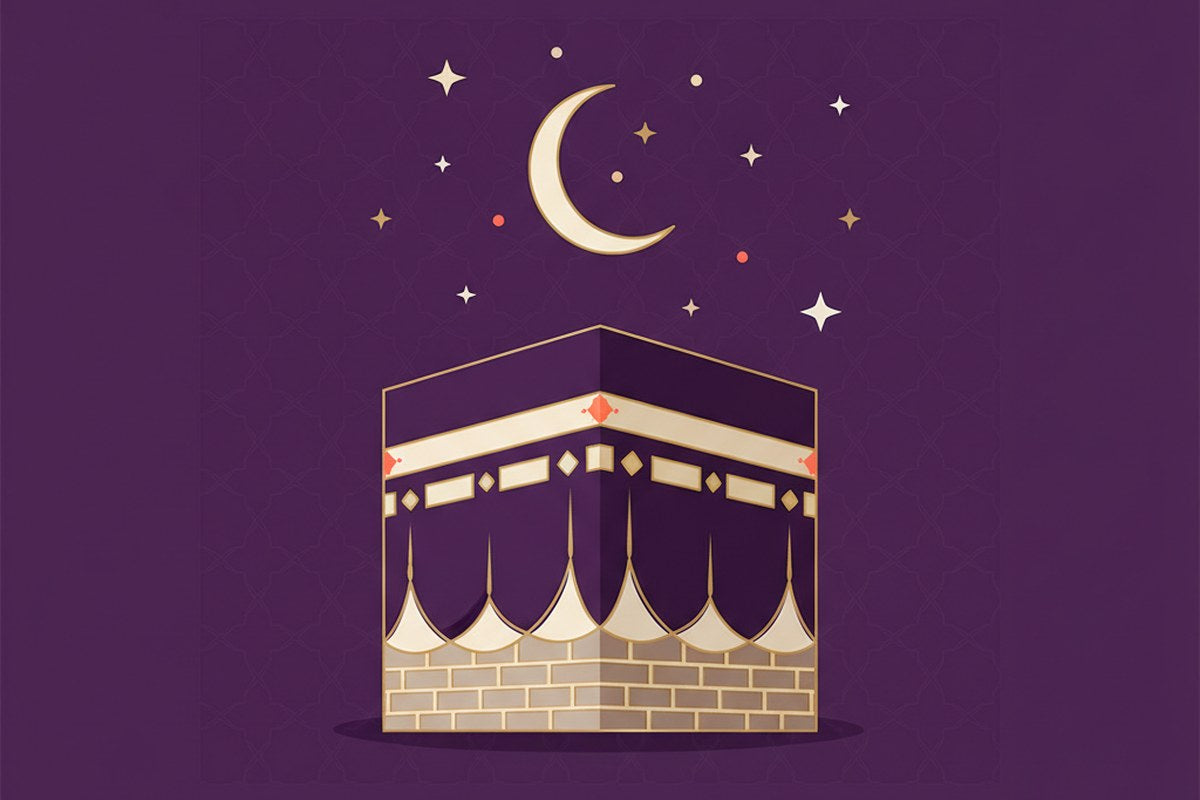
Umrah, an act of worship in Islam, is often referred to as a "lesser pilgrimage". Unlike the Hajj which is mandatory and takes place once a year, It is recommended but not an obligation for Muslims. Umrah takes place at the Kaaba, located in Mecca, where several specific rites must be performed. These rites include "tawaf," a circumambulation seven times around the Kaaba, and "sa'i," a walking between the hills of Safa and Marwa.
One of the notable merits of Umrah is that it possesses many spiritual benefits despite being less demanding than Hajj. It allows for spiritual purification and the establishment of a deeper connection with Allah.
Another important characteristic is its flexibility in execution. Indeed, a Muslim can choose to perform their Umrah before their Hajj, in what is called "Tamattu" Hajj.
This form of pilgrimage offers the faithful more opportunities to draw closer to Allah and demonstrate their devotion.
The Pilgrimage to Al-Aqsa
The pilgrimage to Al-Aqsa is a unique spiritual journey of its kind in the Islamic world, closely linked to other forms of pilgrimage. This journey to the Al-Aqsa Mosque, located in Jerusalem, is considered by many as a sacred rite, which testifies to a Although less known than the Hajj and Umra, the pilgrimage to al-Aqsa is equally significant in Muslim practice. It offers pilgrims an opportunity to connect with the deep historical and religious roots of their faith and to directly observe the sites mentioned in the sacred texts.
Every year, despite the various challenges and obstacles, Muslims from around the world undertake this pilgrimage to reconnect with their spiritual and historical heritage.
Local Pilgrimages
Local pilgrimages in Islam are sacred journeys undertaken to holy sites located in Muslim countries other than Mecca. Though often overlooked, these pilgrimages offer a precious opportunity for believers to draw closer to their faith and strengthen their spiritual connection.
Several important sites are associated with these pilgrimages, such as the Mosque of the Prophet Muhammad in Medina and the Al-Aqsa Mosque in Jerusalem. Every year, many Muslims choose to participate in these local pilgrimages to obtain special blessings and draw even closer to Allah.

The Meaning and Importance of Pilgrimages in Islam
Pilgrimages in Islam are acts of worship and devotion that purify the soul spiritually and allow one to draw closer to Allah. Discover why they hold such importance.
An Act of Worship and Devotion
Pilgrimage in Islam is far more than a simple journey. It is a profound act of worship and devotion rooted in the faith of Muslims. According to the teachings of the Quran, it is a duty for those who have the means to journey to the House of Allah to perform the Hajj or Umrah.
Pilgrimage is considered a means for believers to draw closer to God and to strengthen their relationship with Him. It is an opportunity to dedicate oneself entirely to worship and prayer, to detach from the material world and to focus on the essence of spiritual life.
During pilgrimage, the pilgrims participate in several symbolic rites and rituals, such as the circumambulation of the Kaaba and prayer at Arafat. These acts remind us of the importance of humility, repentance and submission to Allah.
A means of spiritual purification
Pilgrimage in Islam is considered a powerful means of spiritual purification. It is an opportunity for believers to repent of their past sins and to renew their commitment to Allah.
By performing the prescribed rituals of pilgrimage, Muslims are encouraged to free themselves from their wrongdoings and draw closer to piety. The Hajj, in particular, is an intense experience of devotion and sacrifice that enables pilgrims to grow spiritually and find inner peace.
By purifying their hearts and focusing on their relationship with Allah, pilgrims hope to find divine guidance and forgiveness.
An Opportunity to Draw Closer to Allah
The pilgrimage in Islam is a unique opportunity to draw closer to Allah, the Almighty. It is a moment when believers detach themselves from the material concerns of daily life and concentrate entirely on their relationship with God.
During pilgrimage, the faithful devote themselves to worship and devotion, following the rites and traditions established by the Prophet Muhammad himself.
By traveling to the holy sites of Mecca and Medina, pilgrims experience a profound spiritual connection with Allah. They face the Kaaba, which is the direction of their daily prayer, and perform the Tawaf, that is, seven rounds around this sacred sanctuary.
This intense experience strengthens their faith and devotion to Allah.
Pilgrimage is also an opportunity for believers to practice the teachings of Islam in their daily lives. During this period, they are encouraged to abandon harmful behaviors and focus on their spiritual purification.
They are also invited to seek forgiveness for their past sins and make sincere supplications for their future.
Pilgrimage is therefore much more than a simple physical journey. It is an inward journey toward closeness with Allah and spiritual improvement. The believers who undertake this journey are rewarded with a greater connection with their Creator, a purification of their soul, and an elevation of their spiritual status.
The Stages and Rites of Pilgrimage
In this section, we will explore the different stages and rites of pilgrimage in Islam.
The Day of Tarwiyah
The Day of Tarwiyah marks the beginning of the pilgrimage to Mecca, known as the Hajj. It is a day of spiritual preparation for the pilgrims who are in Mina, a suburb of Mecca.
During this day, pilgrims devote themselves to prayers and acts of devotion to prepare themselves mentally and physically for Hajj. The Day of Tarwiyah is also the time when pilgrims acquire the necessary provisions for the coming days of their sacred journey.
It is a significant day that marks the beginning of an intense spiritual journey to the Sacred House of Allah.
The Day of Arafat
The Day of Arafat is one of the most important moments of pilgrimage in Islam. It corresponds to the ninth day of the month of Dhul-Hijjah, and it is considered a sacred day on which the final verse of the Quran was revealed.
On this day, the pilgrims gather on the Plain of Arafat, which is located approximately 20 km from Mecca.
This day holds great spiritual significance, for it is on this day that pilgrims express their devotion and submission to Allah. The pilgrims spend the day in prayer, reciting supplications, and seeking forgiveness for their past sins.
They also seek to draw closer to their Creator by focusing on worship and reflection.
It is said that the Day of Arafat is a blessed moment for supplications to be accepted by Allah. This is why pilgrims take advantage of this occasion to offer sincere prayers and ask Allah to forgive them and grant their wishes.
The stoning of the pillars
The stoning of the pillars is one of the important rites of pilgrimage in Islam. It involves throwing seven stones at pillars that represent Satan. This ritual symbolizes the rejection of evil and the resistance to temptations.
The stoning of the pillars takes place in Minâ, an area located between Mecca and Arafat. It is a time of contemplation and spiritual purification for the pilgrims.
Every year, thousands of Muslims perform this rite with devotion and determination, thereby strengthening their faith and their connection with Allah.
The Sacrifice of an Animal
The sacrifice of an animal is an important practice during the pilgrimage in Islam. Muslims from all over the world sacrifice an animal to mark the completion of their pilgrimage. This practice, which dates back thousands of years, is based on the teachings of the Quran and the Sunnah.
The sacrifice of an animal is part of the sacred rites of pilgrimage and must not be desecrated.
The Circumambulation of the Kaaba
One of the important rituals of pilgrimage in Islam is the circumambulation of the Kaaba. The Kaaba plays a central role in the ritual of the Hajj, the pilgrimage to Mecca. Muslims It is a moment of great spirituality where believers feel connected to their brothers and sisters in faith. The circumambulation consists of walking in circles around the Kaaba, symbolizing obedience and submission to God.
It is a privileged moment to offer sincere prayers and seek closeness to the Divine. The Kaaba is also considered the House of Allah, a sacred place where Muslims come to renew their faith and seek forgiveness for past sins.
The Rules and Preparations for Performing a Pilgrimage
To perform a pilgrimage, it is essential to be physically and financially capable, to obtain the necessary visas and documents, and to follow the proper dress code and appropriate behavior.
Be physically and financially capable
To perform the pilgrimage in Islam, it is essential to be physically and financially capable. It is important to be in good physical health in order to be able to face the trials of pilgrimage.
This involves having sufficient stamina to walk long distances, withstand various weather conditions, and sometimes even sleep outdoors. Furthermore, it is crucial to have the necessary financial resources to cover pilgrimage-related expenses, such as airline tickets, accommodation, food, and local transportation fees.
The pilgrimage to Mecca, called the Hajj, is an obligation for every Muslim who is physically and financially able. It is a unique spiritual experience that requires adequate physical and financial preparation to gain the greatest benefit from it.
Obtain the necessary visas and documents
To undertake a pilgrimage in Islam, it is essential to obtain the necessary visas and documents. If you wish to undertake an Umrah, you can apply for an Umrah visa or e-visa for Umrah if you are a foreign pilgrim.
For Hajj, visa applications must be made through an approved travel agency. Ensure you have a valid passport for at least 6 months, with at least two adjacent blank pages to obtain the special "Hajj" visa.
Furthermore, before departing for Hajj, it is important to comply with certain specific conditions and to get vaccinated. These administrative procedures are essential to ensure that your pilgrimage proceeds legally and safely.
Follow the dress code and appropriate behaviors
When you engage in pilgrimage in Islam, it is essential to follow the dress code and appropriate behaviors. The Quran and Islam have specific teachings on the pilgrimage ritual, including the clothing you must wear and the manner in which you should conduct yourself.
For example, for men, it is recommended to wear two pieces of white cloth, called "ihram", which symbolize humility and equality before Allah.
With regard to behavior, it is crucial to be respectful toward other pilgrims and not cause disorder or nuisance. The pilgrimage is a sacred moment and it is important to behave with dignity and modesty.
Furthermore, it is essential to remember that pilgrimage in Islam is an act of worship and devotion to Allah, so all your actions and words must reflect this pure intention.
Respecting the dress code and appropriate behaviors during pilgrimage in Islam helps create a harmonious and peaceful atmosphere for all pilgrims. It also demonstrates your commitment to your faith and your respect toward Allah.

The Spiritual Benefits and Rewards of Pilgrimages
The fulfillment of pilgrimage offers many spiritual benefits and abundant rewards for Muslims, such as the forgiveness of past sins, the acceptance of supplications, and the elevation of spiritual status.
Forgiveness of Past Sins
One of the most important spiritual benefits of pilgrimages in Islam is the forgiveness of past sins. By undertaking the Hajj or Umrah, believers have the opportunity to purify their soul and to seek forgiveness from Allah for their previous transgressions.
This is a unique opportunity to repent sincerely, to show regret for past actions and to seek divine forgiveness. The pilgrimage is considered a complete absolution, allowing believers to start afresh on a new path, strengthened in their religious devotion.
This is why it is essential to approach these pilgrimages with pure and sincere intention, seeking divine forgiveness and hoping for a new spiritual beginning. The forgiveness of past sins is an integral part of the meaning and importance of pilgrimages in Islam, offering believers the opportunity to draw closer to Allah and to free themselves from the burdens of the past.
The Acceptance of Supplications
Supplications play a crucial role during pilgrimages in Islam. When pilgrims perform the rites of Hajj and Umrah, they are encouraged to seek help and guidance from Allah.
Supplications are considered the very essence of pilgrimage, according to the teachings of Prophet Muhammad. These sincere prayers humbly addressed to Allah are an expression of devotion and submission.
The spiritual benefits and rewards associated with pilgrimages are often granted in response to these supplications. It is therefore essential for pilgrims to demonstrate sincerity and focus in their prayers, in the hope of obtaining divine acceptance and the fulfillment of their deepest requests.
Elevation of Spiritual Status
One of the main spiritual benefits of pilgrimages in Islam is the elevation of spiritual status. By performing the Hajj or Umrah, believers have the opportunity to draw closer to Allah and strengthen their relationship with Him.
These pilgrimages are considered acts of worship and devotion that allow Muslims to purify themselves spiritually.
Indeed, traveling to sacred places such as Mecca and Medina and following the prescribed rites during the pilgrimage allows believers to strengthen their faith and feel closer to Allah.
They are encouraged to repent of their past sins and renew their commitment to their religion. This intense and spiritual experience can therefore lead to an elevation of the believer's spiritual status.
Moreover, during the pilgrimage, Muslims have the opportunity to make sincere supplications to Allah. It is said that during this period, the prayers of pilgrims are more likely to be accepted by Allah.
This gives believers great confidence in the positive effect of their prayers and allows them to feel closer to their Creator.
Health and Safety Precautions During Pilgrimages
7. Health and Safety Precautions During Pilgrimages: Protect your health by getting vaccinated, taking hygiene measures, and being mindful of your personal safety.
To learn more about these essential precautions, continue reading here.
Getting Vaccinated
The Saudi authorities require pilgrims to be vaccinated before traveling to Mecca. An official document from the Saudi Ministry of Health indicates that there are four mandatory vaccines for pilgrimage, including the Comirnaty vaccine (Pfizer-BioNTech).
This ensures the safety and health of all pilgrims and helps prevent the spread of disease. It is therefore essential to schedule an appointment with your doctor to get vaccinated before your pilgrimage.
Make sure to follow all vaccination recommendations to ensure a safe and pleasant experience during your sacred journey.
Take Hygiene Measures
During Islamic pilgrimages, it is essential to take hygiene measures to ensure the health and safety of pilgrims. It is recommended to get vaccinated before departure and maintain good personal hygiene throughout the journey.
Due to the large gathering during Hajj in Mecca, it is important to take precautions to prevent epidemics and health threats. ELSAN's advice also includes recommendations on necessary documents and rules to follow to ensure good health preparation for the pilgrim.
So, do not forget to pay attention to your personal hygiene and be physically prepared for this wonderful spiritual journey.
Pay Attention to Personal Safety
When participating in a pilgrimage in Islam, it is essential to be mindful of your personal safety. With millions of pilgrims coming from all over the world, safety is a major concern.
Public health recommendations and regulations are put in place to prevent health threats during pilgrimage. It is also important to take measures to ensure your own personal safety.
Keep your valuables secure and avoid displaying them ostentatiously. Remain vigilant against those who might try to take advantage of the crowd to commit criminal acts.
Avoid reckless behavior and follow the safety instructions given by the authorities and pilgrimage organizers. By taking these precautions, you can fully enjoy your pilgrimage experience in complete safety.
Respiratory diseases are also common during pilgrimages, so it is recommended that you get vaccinated against the flu before your trip. By following these simple tips, you can minimize health risks during pilgrimage.
Common Mistakes to Avoid During Pilgrimage
- Ostentation: Avoid trying to impress other pilgrims with extravagant clothing or behavior.
- Neglecting the rites: Make sure to know and correctly follow each step of the pilgrimage, without neglecting any important ritual.
- Inappropriate behavior: Be respectful toward other pilgrims and avoid any offensive or disrespectful conduct.
Showing Off
Showing off is one of the most common mistakes made during pilgrimages in Islam. It is about displaying exaggerated behavior or seeking to draw attention to oneself during the pilgrimage.
This can include acts of apparent religiosity, such as excessive display of piety or demonstration of material wealth. However, the true meaning of pilgrimage is to perform the rituals sincerely and humbly, focusing on one's relationship with Allah rather than on the perception of others.
It is important to remember that pilgrimage is a personal and spiritual act of worship, not an occasion to gain respect or social recognition. By avoiding ostentation, pilgrims can experience a more authentic journey and fully benefit from the blessings and spiritual rewards of pilgrimage in Islam.
Neglecting the Rites
One of the common mistakes made during pilgrimages in Islam is the neglect of the rites. It is essential to familiarize oneself with the steps and rituals to be performed during the pilgrimage, as each of them carries deep spiritual significance.
For example, it is crucial to respect appropriate dress codes and to change the Ihram garments during pilgrimage. Furthermore, it is important to not touch the Kaaba or any other sacred site during the pilgrimage, as this can be considered a violation of the rites.
By understanding these rituals and observing them carefully, pilgrims can ensure a deeper and more meaningful spiritual experience during their pilgrimage in Islam.
Inappropriate Behaviors
During pilgrimage, it is important to avoid inappropriate behaviors that could compromise the acceptance of our Hajj by Allah. First and foremost, it is essential to avoid ostentation and remain humble throughout the pilgrimage.
One must not seek to draw attention to oneself by displaying one's piety or wealth.
Furthermore, it is crucial to respect the rites and rules established for the pilgrimage. This means following the steps correctly and not seeking to take shortcuts or neglect them.
It is also important to respect other pilgrims by avoiding any disrespectful or offensive behavior.
Moreover, it is essential to maintain a pure intention throughout the pilgrimage and avoid any distraction or worldly concern. We must remember that the ultimate purpose of the pilgrimage is to draw closer to Allah and purify our souls.

Practical Tips for Successful Pilgrimage
- Make sincere supplications to guide you throughout your pilgrimage.
- Be patient and tolerant toward fellow pilgrims, demonstrating respect and mutual understanding.
- Make the most of each stage of the pilgrimage by actively engaging in the rituals and remaining focused on your spiritual objective.
Make sincere supplications
To succeed in your pilgrimage, it is essential to make sincere supplications. When you find yourself in the holy places of Islam, take the time to speak to Allah with your heart open and sincere.
Ask Him for forgiveness of your past sins, pray for peace and prosperity for yourself, your family and the entire ummah. Sincere supplications are a form of direct communication with Allah, they strengthen your spiritual relationship with Him and allow you to obtain the blessings and special rewards of pilgrimage.
So do not hesitate to take the time to withdraw to a quiet corner, away from distractions, to focus on your personal connection with Allah. Be humble and humbly ask for what you need and desire.
Be patient and tolerant toward other pilgrims
During pilgrimage in Islam, it is essential to be patient and tolerant toward other pilgrims. You will be surrounded by thousands of people coming from all over the world, each with their own customs, languages, and habits.
Patience and tolerance will allow you to interact harmoniously with your fellow pilgrims, even in the face of stressful or uncomfortable situations. Keeping in mind that everyone is there for the same reason and that there is an atmosphere of piety and spiritual renewal, you will create an atmosphere of mutual respect and brotherhood.
This will help make your pilgrimage more enjoyable and meaningful, while strengthening your connection with Allah and the global Muslim community.
Make the Most of Every Stage of Pilgrimage
It is essential to make the most of every stage of the pilgrimage in Islam in order to derive the maximum spiritual benefits from this sacred experience. Each stage has its own significance and particular rites, and it is important to be aware of their importance and to approach them with an attitude of devotion and worship.
For example, on the Day of Tarwiyah, pilgrims prepare to enter a state of consecration by donning the special garments of hajj and traveling to Mina. The Day of Arafat is considered the pinnacle of the hajj, where pilgrims gather on the Plain of Arafat for prayer and supplication to Allah.
The stoning of the pillars symbolizes the rejection of evil, and the sacrifice of an animal reminds us of the sacrifice of Ibrahim (Abraham). The circumambulation of the Kaaba is an intimate moment with Allah, where pilgrims circle the Sacred House seven times, witnessing their devotion and submission to God.
Conclusion
In conclusion, it is essential to understand the different types of pilgrimage in Islam to deepen one's faith and understanding of this religion. Whether it is Hajj, Umrah, the pilgrimage to Al-Aqsa, or local pilgrimages, each experience offers important spiritual benefits and rewards.
By following the necessary rules and preparations, avoiding common mistakes and being aware of health and safety precautions, every Muslim can succeed in their pilgrimage and draw valuable lessons from it.
FAQs
2. What are the stages of the Hajj pilgrimage?
The Hajj pilgrimage comprises several important stages, namely Tawaf, which consists of circumambulating the Kaaba in Mecca seven times, and Sa'i, which is the walking between the hills of Safa and Marwa.
3. During which period of the year do Hajj and Umrah take place?
Hajj takes place once a year during the Islamic lunar month of Dhu al-Hijjah, while Umrah can be performed at any time of the year.
4. What are the main motivations for Muslims to perform pilgrimage in Islam?
Muslims perform pilgrimage in Islam primarily to draw closer to Allah, purify their souls, repent from their sins, strengthen their faith, and feel more connected to the global Muslim community.
📚 Also to Read
−5% off the entire library with code BLOG5
Valid on the entire site, with no minimum purchase — our thanks to blog readers.
Discover the selection